
THE URGENCY OF SPIRITUAL LIFE
“Do not delay even a moment” — the Buddha’s practical teaching for teens and young adults living in a distracted world
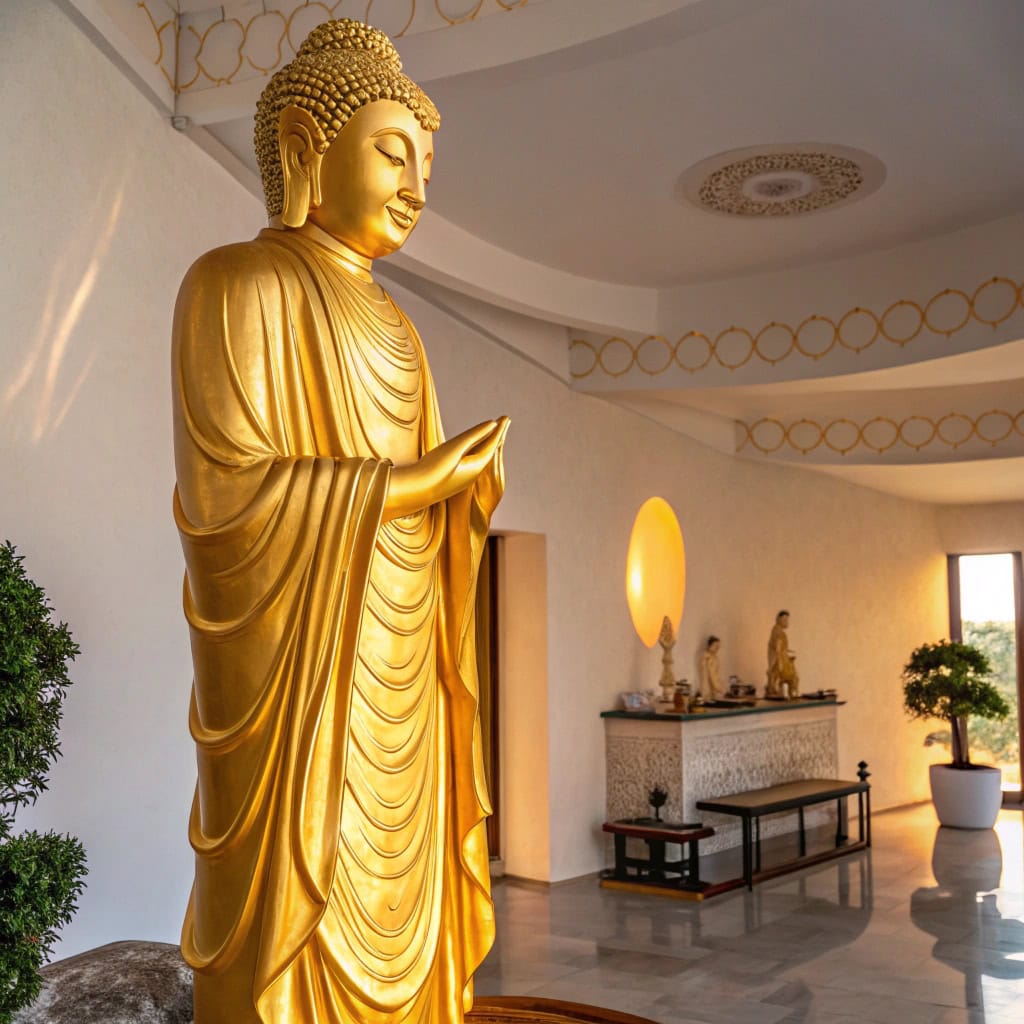
Above all the Buddha’s teachings, the call to urgency echoes like a drum: “Do not say ‘later’ — for death does not wait.”
This isn’t morbid or depressing — it’s liberating. When you understand that life is short and precious, you stop wasting time on things that don’t matter. You start living with sati (awareness) and paññā (wisdom).
Why This Matters for Teens Right Now
When you’re 16, death seems far away. But the Buddha’s teaching on urgency isn’t about death — it’s about waking up. It’s about not postponing what matters most:
- Your relationships: Don’t wait to repair a friendship until it’s too late
- Your mental clarity: Don’t wait until you’re overwhelmed to learn how to calm your mind
- Your purpose: Don’t wait until after graduation to discover what makes you feel alive
As the Buddha said: “Better to live one day developing wisdom than to live a hundred years without it.”
Death Comes Without Warning
In the Aṅguttara Nikāya 5.57, the Blessed One declares:
“I am subject to death. There is no avoiding death for me or for anyone else. Before death comes, I must live a life worthy of effort, so I do not regret in my final hour.”
This is not philosophy — it is a fact. And it must be the ground of practice. For teens, this means: don’t wait until you’re “older and wiser” to start practicing awareness.
The Burning House: A Modern Metaphor
In the Saṃyutta Nikāya 1.10, the Buddha likens saṃsāra to a house on fire:
“Just as one whose house is burning does not stand debating, ‘Where should I go?’ but runs out immediately — so you must immediately leave the illusion of ‘I’ and ‘mine’.”
For teens today: Your “burning house” might be endless scrolling, constant comparison on social media, or the pressure to be perfect. The Buddha’s message is clear: don’t debate whether to leave — just step out now.
The Four “Later” Mistakes — And How to Avoid Them
In Aṅguttara Nikāya 4.137, the Buddha describes four errors of procrastination:
- “I will start later” → dies without starting. Teens often think: “I’ll start meditating after exams…”
- “I will deepen practice later” → dies halfway. “I’ll go deeper into Dhamma after I figure out my career…”
- “I will attain liberation later” → dies unattained. “I’ll work on my peace of mind after I get through this stressful period…”
- “I will prepare later” → death arrives first. “I’ll start being kinder to myself when I lose weight/get better grades/find the perfect partner…”
Therefore, the Blessed One insists: “Do not be negligent!”
Try This Instead: The 5-Minute Rule
Whenever you catch yourself thinking “I’ll do it later,” ask:
- “Can I do just 5 minutes of this right now?”
- “What’s the smallest step I can take today?”
Examples:
- Instead of “I’ll meditate tomorrow,” try: 3 mindful breaths right now
- Instead of “I’ll make up with my friend later,” try: one kind text message today
- Instead of “I’ll work on my anxiety next month,” try: 5 minutes of journaling tonight
The Rarity of Human Birth in the Digital Age
In Saṃyutta Nikāya 56.48, the Buddha offers a metaphor:
“Imagine a blind sea turtle who surfaces once every hundred years. On the surface floats a single yoke with a hole. The chance that the turtle pokes its head through the hole is infinitesimal. But human rebirth with opportunity to hear Dhamma is rarer still.”
In today’s world, this teaching takes on new meaning. You have:
- Access to the Buddha’s teachings in your pocket (your phone)
- Teachers available through videos and online communities
- Free time between classes and activities to practice
This combination of freedom, access, and ability to choose — is exceedingly rare. This chance — not for reflection, but for action.
Practical Steps: What to Do Right Now
Begin now — not after reading this article, not tomorrow:
- Pause for 60 seconds: Right now, close your eyes and notice your breath. This is where all practice begins.
- Identify one distraction: What’s pulling your attention away from what matters? Social media? Worry about the future? Regret about the past?
- Make one small choice: Choose one thing you’ve been postponing that aligns with your values. Do the first small part of it today.
One Day Is Better Than a Hundred Years
In the Dhammapada (verse 115):
“Better to live one day developing the deathless than to live a hundred years without striving for it.”
The “deathless” (amata) isn’t literal immortality — it’s the freedom from dukkha (stress) that comes when you live with awareness. One day of truly being present is worth more than years of autopilot living.
Sources
– AN 5.57 — Upajjhatthana Sutta
– SN 1.10 — Nikkhamita Sutta
– AN 4.137 — Kālavelā Sutta
– SN 56.48 — Kotika Sutta
– Dhp 115
Translations verified against the Pali Text Society (PTS) edition.