

Ehipassiko: the Dhamma is visible here and now
“The Dhamma is visible here and now (sandiṭṭhiko), immediate (akāliko), inviting one to come and see (ehipassiko), leading inward (opanayiko), to be experienced individually by the wise (paccattaṃ veditabbo viññūhi).”
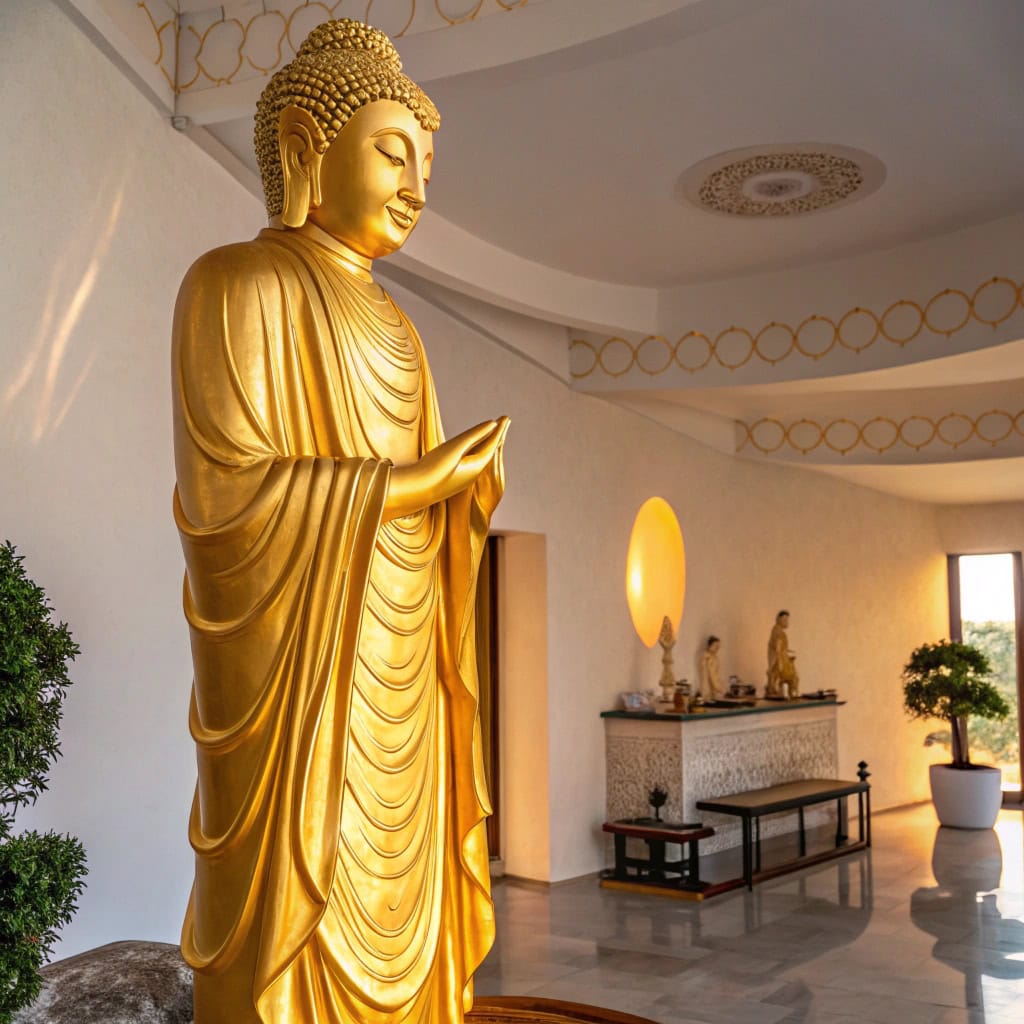
The term ehipassiko — “come and see” — expresses the Buddha’s core invitation: do not believe on authority, but verify through practice. These five qualities of Dhamma are not abstract philosophy. They form a path of direct seeing, where every practitioner can confirm truth through their own experience.
“Do not believe reports…” — The Kālāma Sutta (AN 3.65)
In the famous Kālāma Sutta, the Buddha says:
“Do not believe reports, tradition, hearsay, or even scripture. But when you know for yourselves: ‘This leads to harm’, abandon it. And when you see: ‘This leads to welfare’, embrace it as your guide.”
This is the essence of ehipassiko: autonomy of insight, confirmed by experience.
“Be an island unto yourselves” — Mahāparinibbāna Sutta (DN 16)
In his final days, in the Mahāparinibbāna Sutta, the Buddha instructs:
“Be an island unto yourselves, be a refuge unto yourselves, seeking no external refuge. Let the Dhamma be your island.”
There is no savior outside. Only the path, confirmed by direct seeing.
“Test my words as gold is tested” — Akhaṇṇa Sutta (AN 4.192)
The Buddha compares verifying his teaching to testing gold:
“Just as a goldsmith cuts, weighs, and burns gold to test it, so you should examine my words” (AN 4.192).
Truth is not accepted on faith — it is tested in practice.
Ānāpānasati — the path of seeing
Mindfulness of breathing is not ritual. It is a tool of insight:
- Observing breath, you see anicca — impermanence.
- Feeling tension, you see dukkha — suffering.
- Aware of the stream without “I”, you see anattā — non-self.
This is not theory. It is direct experience — here and now.
The Dhamma is not for believers — but for seers
The Buddha sought not followers, but seers:
“Whoever sees the Dhamma, sees me” (DN 16).
Name, form, history — secondary. Primary is the living insight into mind and reality.
Read also:
Key Pāli terms:
sandiṭṭhiko,
akāliko,
ehipassiko,
opanayiko,
paccattaṃ veditabbo viññūhi,
anicca,
dukkha,
anattā
Sources
– AN 3.65 — Kālāma Sutta
– DN 16 — Mahāparinibbāna Sutta
– AN 4.192 — Akhaṇṇa Sutta
Translations aligned with the Pali Text Society (PTS) edition.