
DON’T WAIT EVEN A MOMENT
The Buddha’s teaching on urgency — why starting your practice today matters more than waiting for “someday”
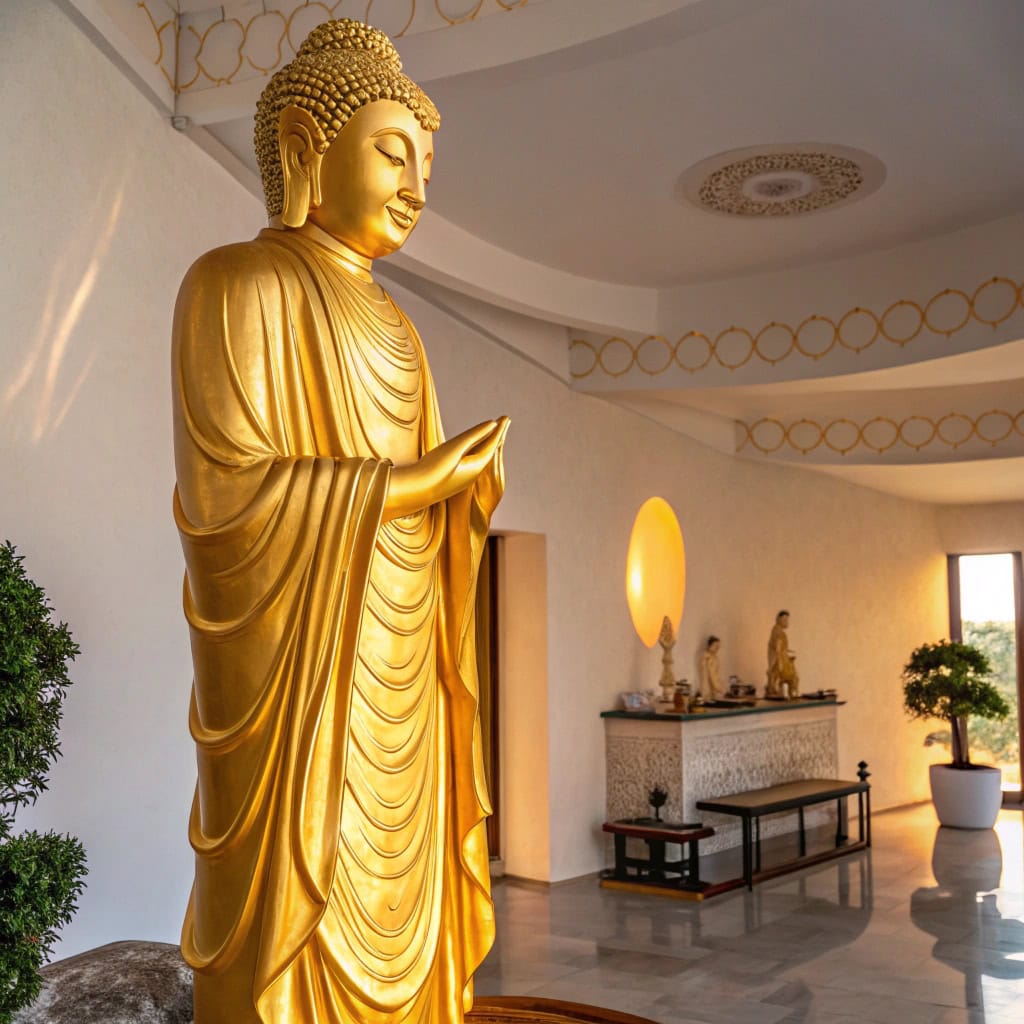
Among all the Buddha’s teachings, the call to urgency echoes like a drumbeat: “Don’t say ‘later’ — because death doesn’t wait.”
This isn’t about being morbid or depressing. It’s about waking up to the truth that life is short, precious, and not to be wasted on endless scrolling, worrying, or waiting for things to be “perfect” before you start living with awareness.
Why This Matters to You Right Now
When you’re a teen or young adult, it’s easy to think you have all the time in the world. But the Buddha’s teaching on urgency isn’t just about death — it’s about not missing out on your life while you wait.
Think about it:
- When was the last time you said “I’ll start mindfulness practice after exams?”
- When did you think “I’ll be kinder to myself after I lose weight or get better grades?”
- How many times have you postponed connecting with friends or family because you were “too busy”?
The Buddha is reminding us that these “after” moments might never come. The time to start is right now.
Death Comes Unexpectedly
In Aṅguttara Nikāya 5.57, the Buddha explains something practical, not philosophical:
“I am subject to death. There is no avoiding death for me or for anyone else. Before death comes, I must live a life worthy of effort, so I do not regret in my final hour.”
This isn’t scary — it’s liberating. When you realize life is limited, you stop wasting time on what doesn’t matter. You start focusing on what truly counts: being present, kind, and clear-minded.
As mindful breathing teaches us: each breath could be our last. That’s why we practice with every in-breath and out-breath.
The Burning House
In Saṃyutta Nikāya 1.10, the Buddha compares life to a house on fire:
“Just as one whose house is burning doesn’t stand debating, ‘Where should I go?’ but runs out immediately — so you must immediately leave the illusion of ‘I’ and ‘mine’.”
For teens today: Your “burning house” might be endless social media scrolling, constant comparison with others, or the pressure to be perfect. The Buddha’s message is clear: don’t waste time wondering whether to leave the flames — just step out now.
This connects directly to the Four Noble Truths — understanding that stress exists, but there’s a path to ending it.
The Four “Later” Mistakes
In Aṅguttara Nikāya 4.137, the Buddha describes four ways people waste their lives by delaying practice:
- “I’ll start later” → Dies without ever beginning
- “I’ll deepen my practice later” → Dies halfway through
- “I’ll find peace later” → Dies still searching
- “I’ll prepare for practice later” → Death arrives first
This sounds harsh, but the Buddha’s intention is compassionate: he wants us to wake up now, not when it’s too late.
Try This Instead: The 2-Minute Rule
Whenever you catch yourself thinking “I’ll do it later,” ask: “Can I do just two minutes of this right now?”
- Instead of: “I’ll meditate after exams” → Try: 2 minutes of mindful breathing right now
- Instead of: “I’ll make up with my friend tomorrow” → Try: sending a kind text message today
- Instead of: “I’ll start being kinder to myself next month” → Try: saying one positive thing to yourself right now
This builds the power of effort (viriya) and creates momentum for your practice.
The Rarity of Human Life
In Saṃyutta Nikāya 56.48, the Buddha uses a powerful metaphor:
“Imagine a blind sea turtle who surfaces once every hundred years. In the vast ocean floats a single wooden yoke with a hole. The chance that the turtle emerges through that hole is incredibly small. But having a human birth with the opportunity to hear the Dhamma is even rarer.”
Think about what you have right now that many people don’t:
- Stable internet connection to learn about wisdom teachings
- Freedom to choose how you spend your time
- Access to teachers and communities that care about your growth
- Your youth, energy, and ability to learn quickly
This combination of opportunities is exceedingly rare. The Buddha is reminding us not to waste this precious chance.
One Day Is Better Than a Hundred Years
In the Dhammapada (verse 115):
“Better to live one day developing what is deathless than to live a hundred years without striving for it.”
The “deathless” (amata) isn’t about living forever — it’s about finding freedom from stress (dukkha) right now. One day of truly being present is worth more than years of living on autopilot.
This connects to the path to nibbāna — the journey toward complete peace that begins with a single mindful breath.
What to Do Right Now
Begin today — not after reading this article, not tomorrow:
- Pause for 60 seconds: Close your eyes and notice your breath moving in and out. This is where all practice begins.
- Identify one distraction: What’s pulling your attention away from what matters? Social media? Worry about the future? Regret about the past?
- Make one small choice: Choose one thing you’ve been postponing that aligns with your values. Do the first small part of it today.
The Buddha called this kamma — intentional action. Every small choice builds your path forward.
Sources
– AN 5.57 — Upajjhatthana Sutta
– SN 1.10 — Nikkhamita Sutta
– AN 4.137 — Kālavelā Sutta
– SN 56.48 — Kotika Sutta
– Dhp 115
Translations verified against the Pali Text Society (PTS) edition.